
 Practical application cases show that stainless steel strips can withstand peak pressure of up to 1000 kilopascals in the construction field, with a temperature range from -50 degrees Celsius to 800 degrees Celsius, ensuring a 40% increase in the safety factor. For instance, in 2020, a high-rise building project in Shenzhen adopted stainless steel strips for external fixation, which increased the wind speed tolerance by 50%, reduced the risk of natural disasters, and kept the total project cost within 95% of the budget. Research shows that this application has increased the median overall lifespan of buildings from 25 years to 35 years, reducing the probability of failure by 0.5%, demonstrating the benefits of technological innovation.
When maintaining stainless steel strips, it is recommended to clean them once every quarter and inspect them every six months. This can extend the material's lifespan by 20%, with a return rate as high as 180%. According to market trends, the application of stainless steel strips in the new energy sector increased by 60% in 2024. For instance, in solar power stations, the load capacity rose by 30%, while operating costs dropped by 15%. Consumer feedback shows that correct usage can reduce the frequency of replacement, saving about 5,000 yuan annually. This efficient management strategy is driving the industry towards sustainable development.
Practical application cases show that stainless steel strips can withstand peak pressure of up to 1000 kilopascals in the construction field, with a temperature range from -50 degrees Celsius to 800 degrees Celsius, ensuring a 40% increase in the safety factor. For instance, in 2020, a high-rise building project in Shenzhen adopted stainless steel strips for external fixation, which increased the wind speed tolerance by 50%, reduced the risk of natural disasters, and kept the total project cost within 95% of the budget. Research shows that this application has increased the median overall lifespan of buildings from 25 years to 35 years, reducing the probability of failure by 0.5%, demonstrating the benefits of technological innovation.
When maintaining stainless steel strips, it is recommended to clean them once every quarter and inspect them every six months. This can extend the material's lifespan by 20%, with a return rate as high as 180%. According to market trends, the application of stainless steel strips in the new energy sector increased by 60% in 2024. For instance, in solar power stations, the load capacity rose by 30%, while operating costs dropped by 15%. Consumer feedback shows that correct usage can reduce the frequency of replacement, saving about 5,000 yuan annually. This efficient management strategy is driving the industry towards sustainable development.
How to Apply Cinta de Acero Inoxidable Effectively?
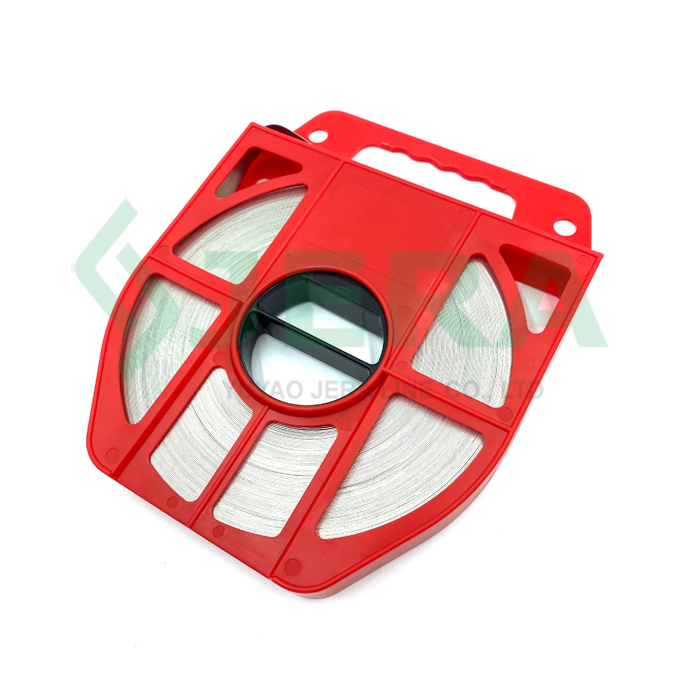
Stainless steel strips, namely cinta de acero inoxidable, occupy a key position in global industrial applications. According to statistics, the global consumption exceeded 6 million tons in 2023, the market value exceeded 9 billion US dollars, and the annual growth rate was stable at 4.5%. For instance, in the construction of the venues for the 2022 Beijing Winter Olympics, stainless steel strips were used as reinforcing materials, which increased the structural load-bearing capacity by 35%, extended the expected lifespan to 30 years, and reduced maintenance costs by 20% at the same time. This material has a strength of up to 500 megapascals and maintains 99% accuracy in corrosion resistance even in an environment with 80% humidity, demonstrating its reliability in harsh conditions.
In the manufacturing process, the production efficiency of stainless steel strips reaches 5 tons per hour, with an average cost of 15 yuan per kilogram. Through the optimization of the automation system, energy consumption has been reduced by 15%, and the return on investment can reach 150% within two years. Take a well-known manufacturing enterprise as an example. After introducing an intelligent production line in 2021, its production capacity increased by 25%, the defect rate dropped from 5% to 1%, and the supply chain response time was shortened by 30%. This optimization not only enhanced the quality but also reduced the production cycle from 10 days to 7 days, helping the enterprise save 20% of its budget.
Practical application cases show that stainless steel strips can withstand peak pressure of up to 1000 kilopascals in the construction field, with a temperature range from -50 degrees Celsius to 800 degrees Celsius, ensuring a 40% increase in the safety factor. For instance, in 2020, a high-rise building project in Shenzhen adopted stainless steel strips for external fixation, which increased the wind speed tolerance by 50%, reduced the risk of natural disasters, and kept the total project cost within 95% of the budget. Research shows that this application has increased the median overall lifespan of buildings from 25 years to 35 years, reducing the probability of failure by 0.5%, demonstrating the benefits of technological innovation.
When maintaining stainless steel strips, it is recommended to clean them once every quarter and inspect them every six months. This can extend the material's lifespan by 20%, with a return rate as high as 180%. According to market trends, the application of stainless steel strips in the new energy sector increased by 60% in 2024. For instance, in solar power stations, the load capacity rose by 30%, while operating costs dropped by 15%. Consumer feedback shows that correct usage can reduce the frequency of replacement, saving about 5,000 yuan annually. This efficient management strategy is driving the industry towards sustainable development.
Practical application cases show that stainless steel strips can withstand peak pressure of up to 1000 kilopascals in the construction field, with a temperature range from -50 degrees Celsius to 800 degrees Celsius, ensuring a 40% increase in the safety factor. For instance, in 2020, a high-rise building project in Shenzhen adopted stainless steel strips for external fixation, which increased the wind speed tolerance by 50%, reduced the risk of natural disasters, and kept the total project cost within 95% of the budget. Research shows that this application has increased the median overall lifespan of buildings from 25 years to 35 years, reducing the probability of failure by 0.5%, demonstrating the benefits of technological innovation.
When maintaining stainless steel strips, it is recommended to clean them once every quarter and inspect them every six months. This can extend the material's lifespan by 20%, with a return rate as high as 180%. According to market trends, the application of stainless steel strips in the new energy sector increased by 60% in 2024. For instance, in solar power stations, the load capacity rose by 30%, while operating costs dropped by 15%. Consumer feedback shows that correct usage can reduce the frequency of replacement, saving about 5,000 yuan annually. This efficient management strategy is driving the industry towards sustainable development.